
If you’ve recently invested in automotive ceramic coating—or are considering it—you’ve probably wondered how long it will take before your vehicle is ready for the road. While the coating itself can usually be applied within a few days, the curing process at DL Fine Auto takes a minimum of 24 hours. Understanding how ceramic coating cures helps you protect your investment and ensures the coating delivers the long-term performance it’s designed for.
What “Curing” Actually Means
Applying a ceramic coating and allowing it to cure are two different things. Application is the physical process of spreading the product across your paint surfaces. Curing is the chemical process during which the coating cross-links and hardens into a semi-permanent layer bonded to your vehicle’s clear coat.
During this curing period, the coating is vulnerable. Moisture, dust, fingerprints, and even temperature fluctuations can all disrupt the bonding process. A coating that’s disturbed before it fully cures may not provide the durability, gloss, hydrophobic performance, or long-term protection it’s designed to deliver.
The Curing Timeline: What to Expect
The First 24 Hours
This is the most critical phase. Within the first 24 hours, the automotive ceramic coating actively bonds to the clear coat. The vehicle should remain in a controlled environment—protected from moisture, direct sunlight, and contamination.
At DL Fine Auto, vehicles stay in our temperature-controlled studio for a minimum of 24 hours after application. That curing period isn’t optional—it’s essential for allowing the coating to bond properly and perform as intended for years to come.
24–72 Hours
After the initial cure period, the coating has hardened enough for light exposure. That said, it still hasn’t reached full strength. During this phase, avoid:
- Car washes of any kind
- Extended rain exposure
- Bird droppings or tree sap sitting on the surface
- Avoid any abrasive contact with the paint.
Some products reach near-full hardness in 48 hours; others take closer to 72. The specific product used, environmental conditions, and the method of application all play a role, so be sure to talk to your car appearance specialist for their recommendations.
Full Cure: 2–4 Weeks
The complete chemical curing process takes approximately two to four weeks under normal conditions. During this time, the coating gradually reaches its maximum hardness and hydrophobic performance. You can drive the vehicle normally after the first 24–48 hours, but proper washing technique matters more during these early weeks.
What Affects Ceramic Coating Cure Time and Longevity?
“How long does ceramic coat last?” is a question closely tied to how well the coating cures in the first place. A properly cured coating on a well-prepared surface can last 3 to 5 years or more with proper maintenance. A coating applied over uncorrected paint—or rushed through the curing phase—will underperform regardless of the product quality.
Several factors affect both cure time and long-term durability:
- Temperature and humidity: Cooler temperatures and high humidity slow the curing process. In Oklahoma, where weather conditions can change quickly, curing the coating indoors in a controlled environment helps ensure consistent results.
- Surface preparation: The paint must be completely decontaminated and corrected before application. Paint correction removes oxidation, swirl marks, and surface defects so the coating bonds directly to clean, smooth clear coat—not over imperfections.
- Product formulation: Professional-grade coatings behave differently from consumer products. Cure times, hardness ratings, and longevity vary significantly between them.
Why Paint Correction Should Come First
Automotive ceramic coating doesn’t hide defects—it seals them in. If your paint has swirl marks, light scratches, or oxidation, the coating will lock those imperfections under a hardened layer. That’s why, at DL Fine Auto, a minimum Level I paint correction is required before any ceramic coating application. Professional ceramic coating is a long-term investment, and we want to ensure the finish is actually worth protecting.
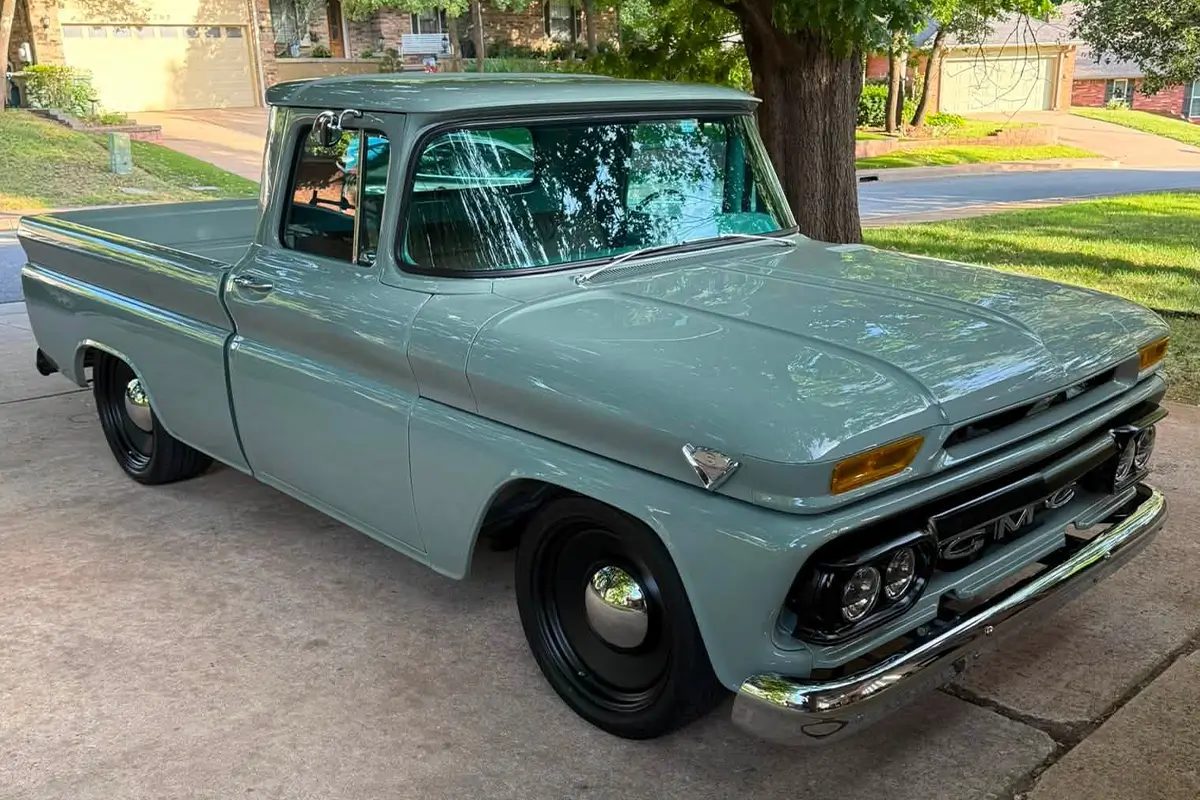
Caring for a Freshly Coated Vehicle
The first wash after automotive ceramic coating matters. Avoid automatic car washes entirely—the brushes and harsh chemicals can damage the coating before it’s fully hardened. Use a pH-neutral soap, a clean microfiber wash mitt, and the two-bucket method if washing by hand.
Consistent, proper maintenance is what separates a coating that lasts three years from one that lasts seven, which is why many vehicle owners choose a detailing membership. Routine maintenance helps preserve the coating’s hydrophobic properties, keeps contaminants from building up, and extends the life of the protection.
FAQs
Can I wash my car immediately after ceramic coating?
No. Wait at least 7 days before the first wash, and avoid any automatic car wash for at least 30 days. The coating needs time to fully harden before it’s exposed to water pressure, chemicals, or physical contact.
Does rain hurt a fresh ceramic coating?
Rain within the first 24–48 hours can disrupt the bonding process. That’s why vehicles should remain indoors during the initial cure period. Light rain after 48 hours is generally fine, but a proper indoor curing environment gives the coating the best possible start.
How long does a ceramic coat last on average?
With proper maintenance, professional-grade coatings typically last three to five years. Some high-performance formulations last longer. The automotive ceramic coating applied at DL Fine Auto uses DQuartz GO, which carries a 3-year protection rating—and often exceeds it with proper care.
Does temperature affect ceramic coating cure time?
Yes. Both temperature and humidity affect how quickly a ceramic coating cures. While high temperatures can speed up the curing process, cooler temperatures and higher humidity slow the chemical bonding that allows the coating to harden properly. That’s why we cure vehicles in a controlled indoor environment for at least 24 hours, helping the coating bond consistently and perform as intended.
Is automotive ceramic coating worth it?
For vehicle owners who want long-term paint protection with minimal ongoing effort, yes. The initial investment covers years of reduced maintenance costs, easier cleaning, and preserved paint condition.
Protect Your Investment With Automotive Ceramic Coating
Ceramic coating is a process, not just a product. The cure window—those critical hours and weeks after application—determines how well the coating bonds, how long it holds, and whether the investment pays off over time. Rushing the process or skipping surface preparation shortcuts the results.
If you’re ready to protect your vehicle with professionally installed automotive ceramic coating, schedule your service with DL Fine Auto. We proudly serve the Oklahoma City Metro with meticulous paint preparation, premium coatings, and long-term vehicle protection. You can also use our cost calculator to estimate your project before booking your appointment.